Young People’s Prayer Trend: Handmade Gold Ingots Sales Surpass 400,000 in Two Months
Choosing incense over ambition, and seeking Buddha over self, reflects the reality of countless young people’s lives today.
From the online prayer phenomenon sparked by the “spiritual shield” at Laojun Mountain in Henan, which attracted over 12 million participants, to the sales of handmade gold and silver ingots exceeding 400,000 pieces during the Qingming Festival, and the rise of professional grave-sweeping services—these seemingly isolated events are piecing together a significant social picture: a collective psychological adjustment under the guise of prayer is spreading among young people.
Starting with the “Spiritual Shield” of Laojun Mountain
In early 2026, a common optical phenomenon at Laojun Mountain was given new meaning on social media. A halo surrounding the mountain was spontaneously named the “spiritual shield,” turning the comment section into a large-scale wishing site with over 12 million participants in this digital age collective prayer.
Almost simultaneously, another form of prayer quietly exploded offline: just before the Qingming Festival, handmade gold and silver ingots became a hit on e-commerce platforms, with some shops selling over 400,000 pieces. Young people are opting to buy raw materials instead of finished products, folding the gold and silver paper by hand during their free time. This process is seen as a way to express their memories of deceased loved ones and serves as a unique stress-relief method.
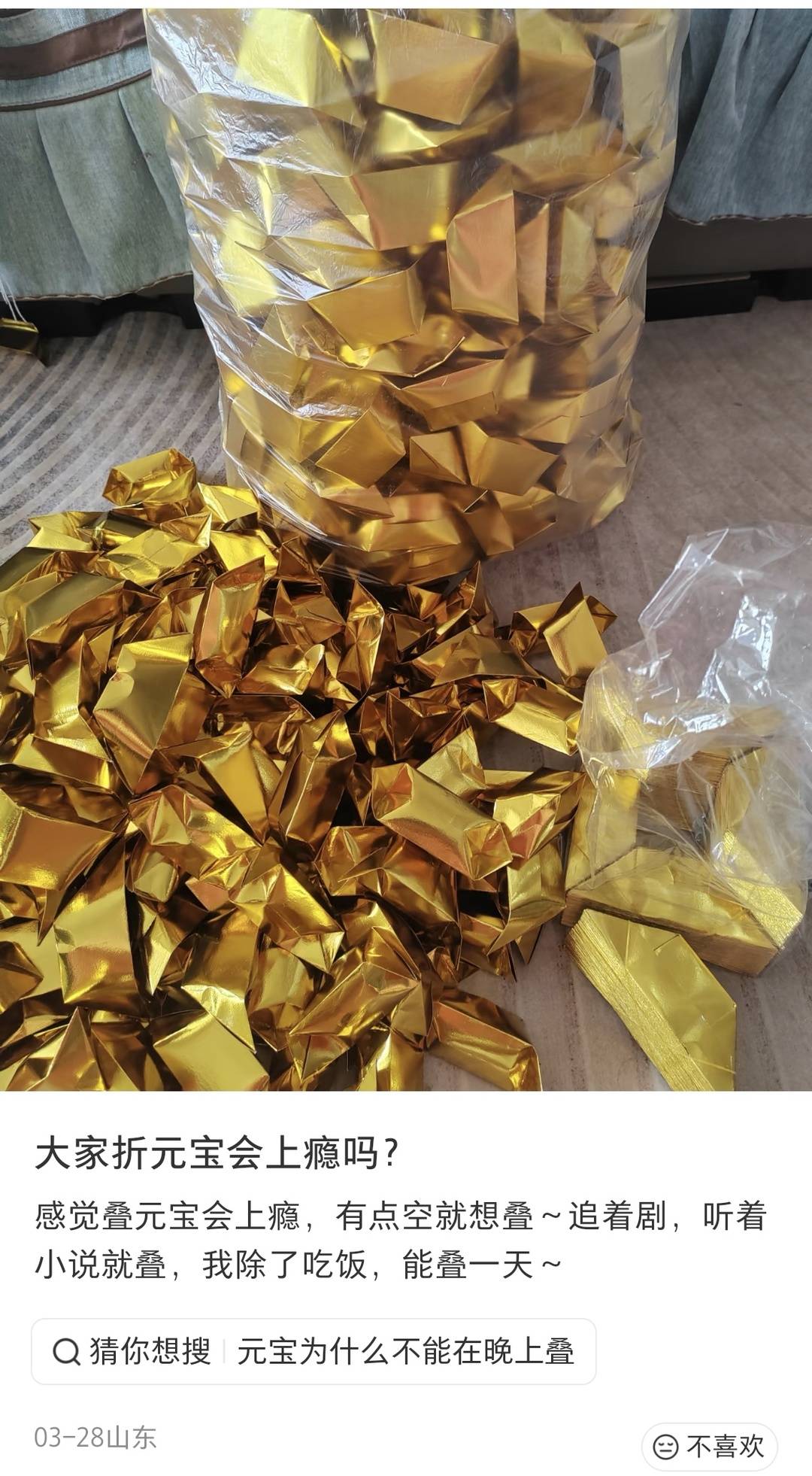
This is not a coincidence. At West China Hospital in Chengdu, family members facing the helplessness of a loved one in critical condition choose to kneel and pray repeatedly. At various cultural venues and famous graves, young people bring modern offerings like ibuprofen, high-speed train tickets, and handwritten poetry to engage in timeless dialogues with historical figures like Cao Cao, Su Shi, and Li Bai.

From online to offline, and from natural wonders to the end of life, the act of prayer is penetrating various scenarios, evolving into a common practice among the youth.
Online and Offline: Shared Psychological Compensation
Despite differing forms, these behaviors share a common core: psychological compensation against uncertainty.
- Online Prayer (Sharing Koi, Electronic Wishes): The essence is low-cost emotional instant gratification and social interaction. It has a low barrier to entry, quickly alleviating daily fragmented anxieties and becoming a form of “social currency” for integration into social circles. Tags like MBTI and zodiac signs help young people quickly filter peers and establish connections.
- Offline Prayer (Incense at Temples, Handmade Rituals): The essence is deep emotional connection and ritualistic experience. In moments of significant stress, such as when a loved one is critically ill or during exams and job hunts, specific rituals like kneeling and handmade offerings help people confront the unpredictability of life and seek spiritual self-rescue and order reconstruction.
Whether through sharing or kneeling, the psychological mechanism points to the psychological concept of “symbolic control”—when individuals feel out of control in reality, engaging in ritualized behavior symbolically reconstructs inner order, providing comfort.
Research by Associate Professor Xing Tingting at Shanghai University of Finance and Economics indicates that up to 92% of surveyed youth view such behaviors as emotional regulation methods, aimed not at faith but at “finding a new way to understand their current situation”.
Naming the Phenomenon: “Light Belief, Heavy Experience” Healing
We can name this escalating trend: “light belief, heavy experience” psychological compensatory prayer.
Its emergence as a phenomenon is driven by several powerful forces:
- Social Pressure as Fuel: Academic, employment, and workplace competition pressures create uncertainty about the future in a “time-accelerated” society. Prayer becomes a “spiritual refuge” for young people to alleviate anxiety and seek emotional support.
- Revival of Traditional Culture as a Medium: Young people are no longer passively accepting ancient rituals but are creatively transforming them. In the folk custom of “walking for peace” in Quanjiao, Anhui, young people tie prayer ribbons and make lanterns; the Yellow Emperor’s hometown has launched a “cloud ancestor worship” platform, using digital interactions like “global wish drift bottles” to engage young Chinese worldwide.
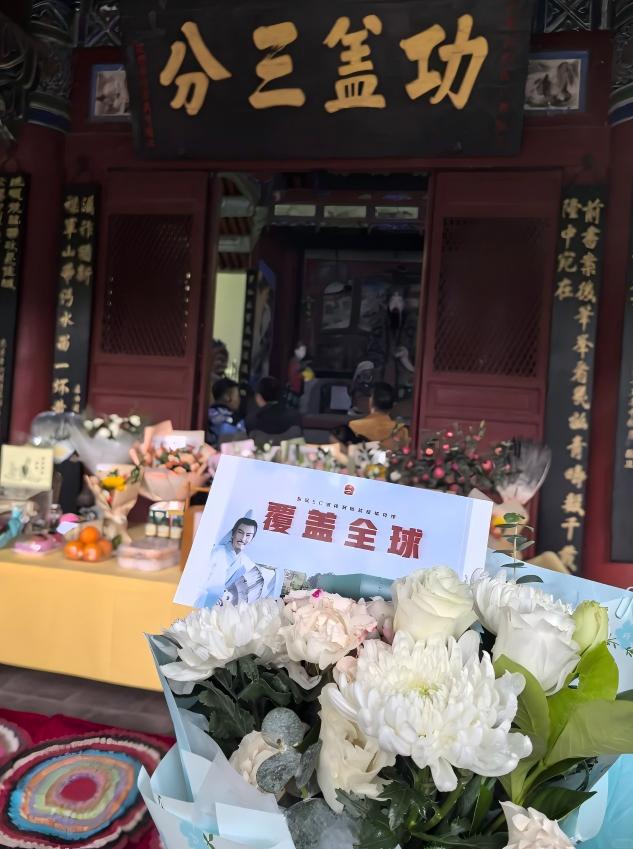
Prayer has shifted from a heavy obligation to a participatory and experiential cultural consumption.
- Social Media and Peer Groups as Amplifiers: Topics like #HistoryBroughtToLife# and #GraveSweepingBuddy# have garnered billions of views, with short videos making personalized grave-sweeping methods rapidly popular and imitated. Peer invitations (“Want to join me for grave sweeping this weekend?”) and community rules transform individual actions into collective practices, creating a powerful social driving force.

Where Will This Phenomenon Lead?
This prayer trend is not without its concerns. Experts warn against over-reliance leading to weakened rational decision-making abilities and the risk of consumerism packaging mysticism as a “life decision tool” for exploitation.
However, its future trajectory is more likely to be a dynamic balance. Professor Su Yubo from Xi’an Jiaotong University points out that most young people hold a “light belief, heavy experience” attitude towards mysticism, viewing it as entertainment or emotional regulation. This suggests that prayer behaviors will fluctuate with the overall societal pressures and will not solidify into a rigid structure of superstition.
Ultimately, the enthusiasm for prayer among young people is fundamentally a positive psychological self-rescue and cultural rooting. In areas where scientific rationality cannot fully soothe emotions, they borrow the traditional ritual shell to inject modern emotional cores, building a temporary yet essential “spiritual anchor” in an uncertain world.
This is not only a release of personal emotions but also unexpectedly becomes a vibrant path for the continuation of traditional culture in contemporary society.
Comments
Discussion is powered by Giscus (GitHub Discussions). Add
repo,repoID,category, andcategoryIDunder[params.comments.giscus]inhugo.tomlusing the values from the Giscus setup tool.