What is Artificial Intelligence?
Hello! Today, let’s discuss a hot topic—artificial intelligence, or AI. When people think of AI, they might picture talking robots from movies or intelligent machines like those in “Terminator.” However, artificial intelligence is much more complex and closely related to our daily lives.

In simple terms, artificial intelligence is the technology that enables computers and machines to “learn to think” and “learn by themselves.” Unlike traditional programs that follow fixed steps, AI can analyze vast amounts of data, identify patterns, and make decisions. For example, the voice assistants on your phone, like Siri or Xiao Ai, are manifestations of AI helping you understand language and complete tasks.
How Does AI Learn?
You might wonder how AI gradually “learns” these skills. The process behind AI is called “machine learning.” It’s similar to how we learn as children: first, we are shown many examples (data), and then we gradually summarize the patterns until we can make judgments ourselves. For instance, when teaching AI to recognize pictures of cats, it may initially struggle, but after viewing thousands of cat images, it can accurately identify them.

How AI is Changing Our Lives and Work
AI is already ubiquitous in our lives. When you scroll through short videos, the recommended content is automatically selected by AI based on your interests. Voice recognition helps you type and translate effortlessly, while smart home devices adjust lighting and temperature according to your habits, making your home more comfortable. AI has made our lives more convenient and intelligent.
In the workplace, AI is a tremendous help. It can analyze vast amounts of data to assist companies in making precise predictions and improving efficiency. Doctors use AI for diagnostic assistance, enabling quicker identification of conditions; the financial industry employs AI to prevent fraud and ensure fund security; and manufacturing utilizes AI to optimize production processes and reduce costs. By replacing repetitive tasks, AI allows people more time for creative and strategic endeavors.
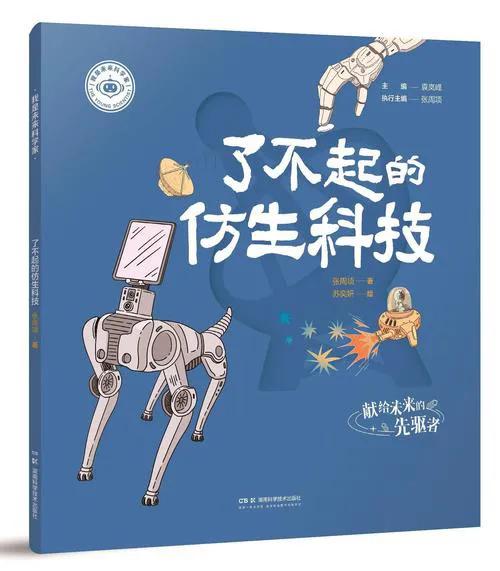
The Future of AI
The future of AI holds significant potential. With advancements in computing power and algorithms, AI will become increasingly intelligent and better understand human needs. Fields like autonomous vehicles, intelligent medical diagnostics, and personalized education are expected to undergo revolutionary changes. However, the rapid development of AI also presents challenges related to privacy protection, ethical considerations, and employment structure adjustments, which we must collectively address and solve.
In conclusion, artificial intelligence is not a distant science fiction story but a powerful reality that has deeply integrated into our lives and work. Understanding its fundamentals and future trends can help us better adapt to this rapidly changing era. I hope today’s discussion gives you a clearer understanding of AI, and let’s look forward to exploring more exciting tech topics together!
Comments
Discussion is powered by Giscus (GitHub Discussions). Add
repo,repoID,category, andcategoryIDunder[params.comments.giscus]inhugo.tomlusing the values from the Giscus setup tool.